Introduction
In a world where emergency situations can strike anytime, the ability to react efficiently can indicate the difference in between life and fatality. For lots of, the idea of running into a medical emergency causes sensations of anxiety and unpredictability. Nonetheless, I found that registering in a first help course transformed my point of view totally. This article narrates my individual journey of building self-confidence via emergency treatment training, concentrating on how learning skills such as CPR not just equipped me to handle emergencies but additionally instilled a newly found sense of confidence.
Understanding the Value of First Aid Training
Why Is First Aid Essential?
First aid is typically the very first response to a medical emergency situation prior to expert help shows up. It incorporates numerous strategies focused on maintaining life, avoiding degeneration, and advertising recovery. However why should everybody consider taking a first help and mouth-to-mouth resuscitation course?
Immediate Feedback: In scenarios like cardiac arrest, every 2nd matters. Knowing mouth-to-mouth resuscitation can save lives. Empowerment: The knowledge obtained from emergency treatment training equips people to act confidently throughout emergencies. Community Security: Trained people can contribute favorably to their communities by supplying prompt assistance.My First Hesitation
When I first pondered registering in a CPR course, I felt hesitant. Could I actually handle the gravity of real-life emergency situations? Suppose I made blunders? These concerns afflicted my mind, however they likewise inspired me to seek solutions via training.
The Primary step: Register in a First Aid Course
Choosing the Right Course
Selecting a proper first aid course is critical for getting pertinent abilities. Here's what you should take into consideration:
- Certification: Guarantee the course provides an acknowledged accreditation upon completion. Curriculum: Evaluation subjects covered-- from fundamental first aid to innovative mouth-to-mouth resuscitation techniques. Instructor Qualifications: Look for knowledgeable instructors with trustworthy backgrounds.
I at some point selected a reputable company offering comprehensive training that consisted of both academic understanding and sensible sessions.
Preparing for Class
As I got ready for my fabulous, I experienced combined feelings. Exhilaration danced with apprehension as I contemplated what lay ahead.
Gathering Products: I compiled necessary products like notebooks and pens however additionally left space for an open mind. Setting Objectives: My main goal was easy: complete the program feeling certain in my abilities.The Training course Experience: Discovering Life-Saving Skills
Engaging Theory Sessions
The first days were spent immersed in engaging academic conversations about emergency situation protocols and human makeup pertaining to emergency treatment practices.
Key Topics Covered:
- Basic Life Support (BLS) How to use an Automated External Defibrillator (AED) Responding to choking incidents Recognizing indicators of stroke or heart attack
These sessions prepared for understanding what we would certainly later on practice hands-on.
Practical Hands-On Training
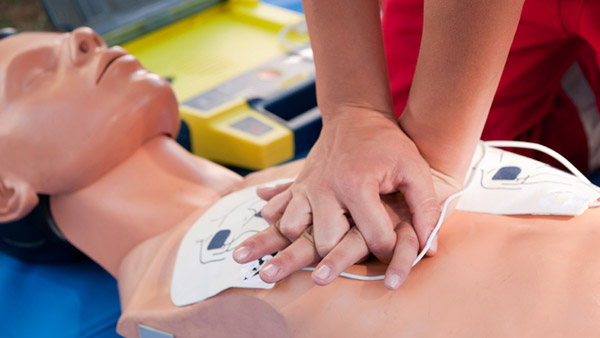
Nothing compared to the rush of exercising mouth-to-mouth resuscitation methods on manikins or imitating emergency situation situations with classmates.
Learning Compression Techniques: With every press, my confidence expanded as I grasped breast compressions. Using AEDs: The trainer showed how easy it is to use computerized defibrillators, enhancing that anyone can step up in emergencies with proper training. CPR Course AdelaideBuilding Self-confidence With Real-Life Scenarios
Simulation Drills: Facing Fears Head-On
One of one of the most impactful facets of my training included substitute drills made to imitate real-life emergency situations. Exactly how did these experiences form my confidence?
Types of Drills:
- Responding to subconscious individuals Managing bleeding wounds Handling sensitive reactions
During these drills, I typically really felt worried yet exhilarated due to the fact that every scenario required me out of my comfort area while supplying vital feedback from trainers and peers alike.
Overcoming Anxiety and Doubt
Initially bewildered by doubt and anxiety, each effective drill tried those sensations:
Positive Reinforcement: Motivation from trainers aided me acknowledge my potential. Peer Support: Sharing experiences with classmates cultivated sociability that minimized anxieties about failure.Certification Day: A Turning Point Achieved
Preparing for the Final Assessment
As we approached qualification day for our first help certificate, anticipation brewed within me-- suppose I didn't pass? Actually, nerves were part of the process; they showed just how much this indicated to me!

Study Tips:
- Review notes thoroughly Practice abilities repeatedly Engage in group study sessions for support
With preparation behind me, it was time for evaluation day-- a mix of created tests and functional demonstrations awaited us.
Celebrating Success
I bear in mind standing happy after getting my emergency treatment certificate-- a recommendation not simply of passing but of development! That moment solidified both proficiency in dealing with emergency situations and belief in myself.
Applying Skills Beyond Training: Real-Life Applications
Volunteering Opportunities
After finishing my training, I looked for ways to use what I 'd discovered by volunteering with neighborhood organizations focused on neighborhood wellness initiatives.
Participating in health fairs allowed me adequate opportunities to show basic first-aid skills. Collaborating with experienced volunteers even more increased my confidence as we tackled different circumstances together.
Family Events: Being Prepared
Whether it was family members gatherings or exterior experiences, having expertise about emergency treatment ended up being instrumental in ensuring safety among liked ones:
Educating member of the family about recognizing signs of distress boosted cumulative preparedness. Using skills found out throughout training provided me peace understanding that we could handle minor injuries properly if needed.Reflections on Building Confidence Through First Aid Training
Personal Growth Journey
Engaging in this trip has been transformative! The change from uncertainty regarding managing emergencies changed right into assuredness fueled by knowledge and practical experience needed when faced with dilemmas head-on!
Enhanced self-esteem became evident also past medical circumstances; everyday obstacles appeared less challenging too! Understanding that everyone has their struggles cultivated compassion towards others experiencing situations themselves-- sharing knowledge becomes vital here!FAQs Concerning First Aid Training
What is consisted of in a normal first aid course? A common first aid course normally covers topics such as standard life assistance (BLS), mouth-to-mouth resuscitation strategies, wound management, and responding suitably throughout different emergency situations like choking or sensitive reactions.
How long does it take to finish a CPR course? The majority of CPR courses variety from 4 hours approximately 8 hours relying on whether they're standard or innovative accreditations; some may use accelerated classes too!
Is certification needed for all tasks entailing first aid? While not every job mandates formal qualification such as obtaining a first help certificate, numerous industries-- consisting of healthcare-- prefer skilled employees who have legitimate certifications because of obligation concerns.
Can any individual take an emergency treatment and mouth-to-mouth resuscitation course? Definitely! People aged 12 years or older are normally urged to enroll regardless of previous experience-- every person benefits from being prepared!
How frequently must one renew their first-aid certification? Accreditations typically call for revival every two years; nevertheless, some organizations advise yearly refreshers based on ability retention degrees observed over time!

What are some usual misunderstandings concerning doing CPR? A widespread misconception recommends "just skilled experts ought to do mouth-to-mouth resuscitation." Actually though-- laymans educated through licensed programs are equipped & & encouraged involve quickly up until aid arrives!
Conclusion
Reflecting upon this whole journey encapsulated within "Building Self-confidence With First Aid Training: A Personal Trip," it's clear that engaging with this important ability has far-reaching effects past simply saving lives-- it promotes resilience amidst uncertainty while growing empathy in the direction of others encountering difficulties themselves! If you're pondering embarking upon your very own path toward coming to be licensed-- do not think twice! Study learning today-- you could simply discover on your own amazed at exactly how capable you really are!